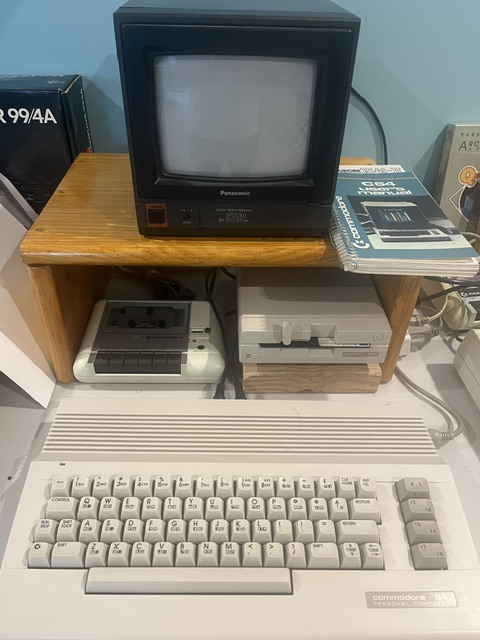
The Commodore 64, released in August 1982, is the best-selling single computer model of all time, with estimated sales between 12.5 and 17 million units. Priced at just $595 at launch, it brought powerful graphics, sound, and expandability to home users, dominating the 8-bit era and becoming an icon of 1980s computing and gaming culture.
Designed by a team at Commodore led by Robert "Bob" Yannes (sound chip) and Al Charpentier (video chip), with engineering by Bil Herd and others. Jack Tramiel, Commodore's aggressive CEO, pushed for low cost and high performance to undercut competitors like Apple and Atari. The C64 succeeded the VIC-20 and became Commodore's flagship home computer.
Unveiled at the January 1982 Winter CES, the C64 shipped in August 1982. Its aggressive pricing forced competitors to slash costs, sparking price wars. Production continued until 1994 - an astonishing 12-year run. Over 10,000 commercial software titles were released, including classics like Impossible Mission, Maniac Mansion, and Ultima series.
The C64 used the MOS Technology 6510 microprocessor (a 6502 variant). Key features included:
The iconic breadbin case (later slimline C64C) held the board and keyboard; power was an external supply.
Commodore BASIC 2.0 in ROM provided immediate programming access. The SID chip enabled sophisticated music (later chiptunes culture). The VIC-II's sprites and scrolling made arcade-quality games possible at home. Thousands of games, demos, and productivity titles emerged, with a vibrant cracking and demo scene.
The C64 introduced millions to computing and gaming, dominating the market from 1983-1986. It outsold all competitors combined for years, fueled mail-order sales, and spawned magazines like Compute! and RUN. Its longevity and modding community remain strong—modern enhancements include SD card drives, HDMI output, and Ethernet. The C64 symbolizes affordable, capable home computing and is celebrated in museums, books, and active retro communities worldwide.